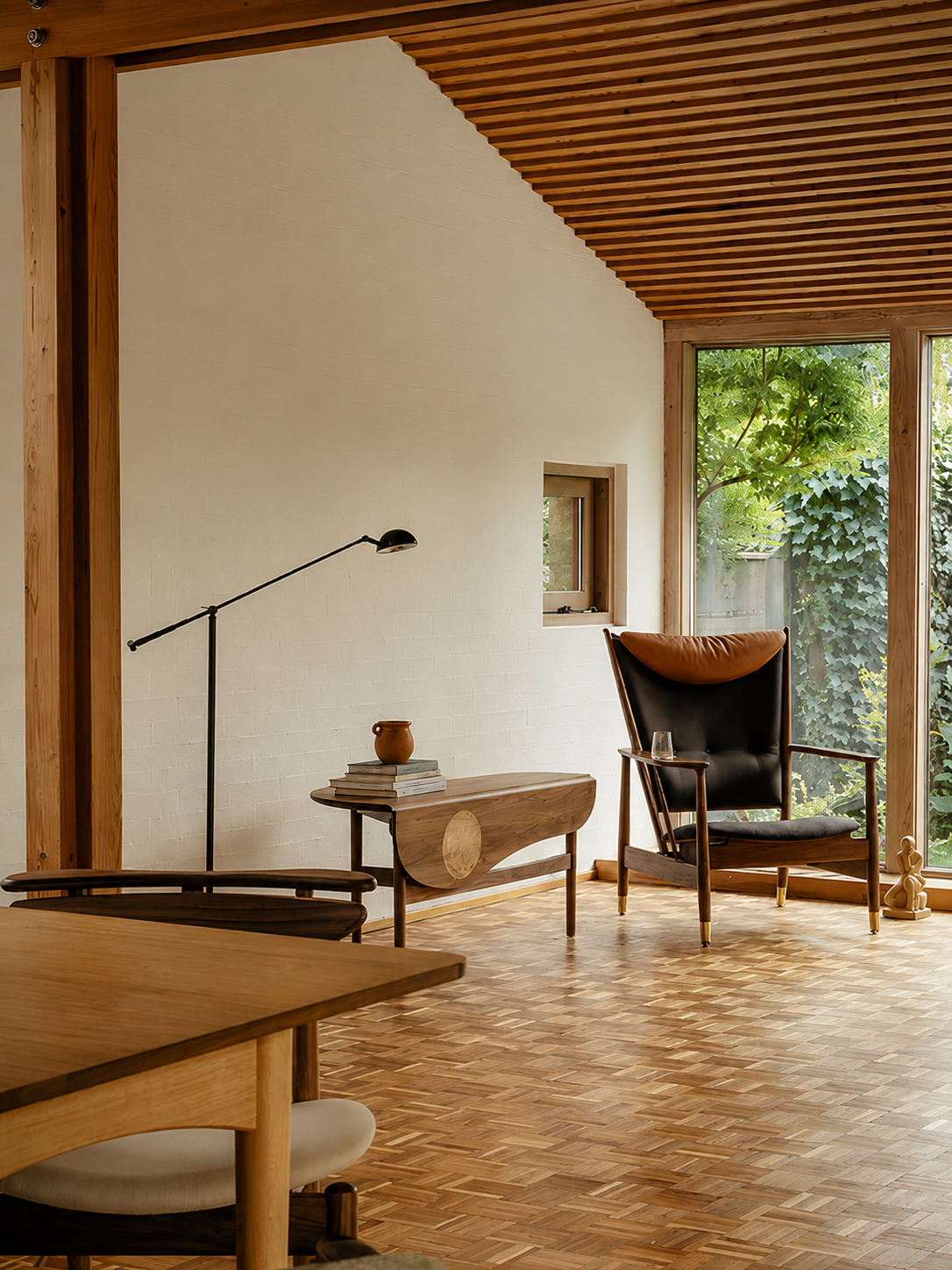
Finn Juhl New Arrival
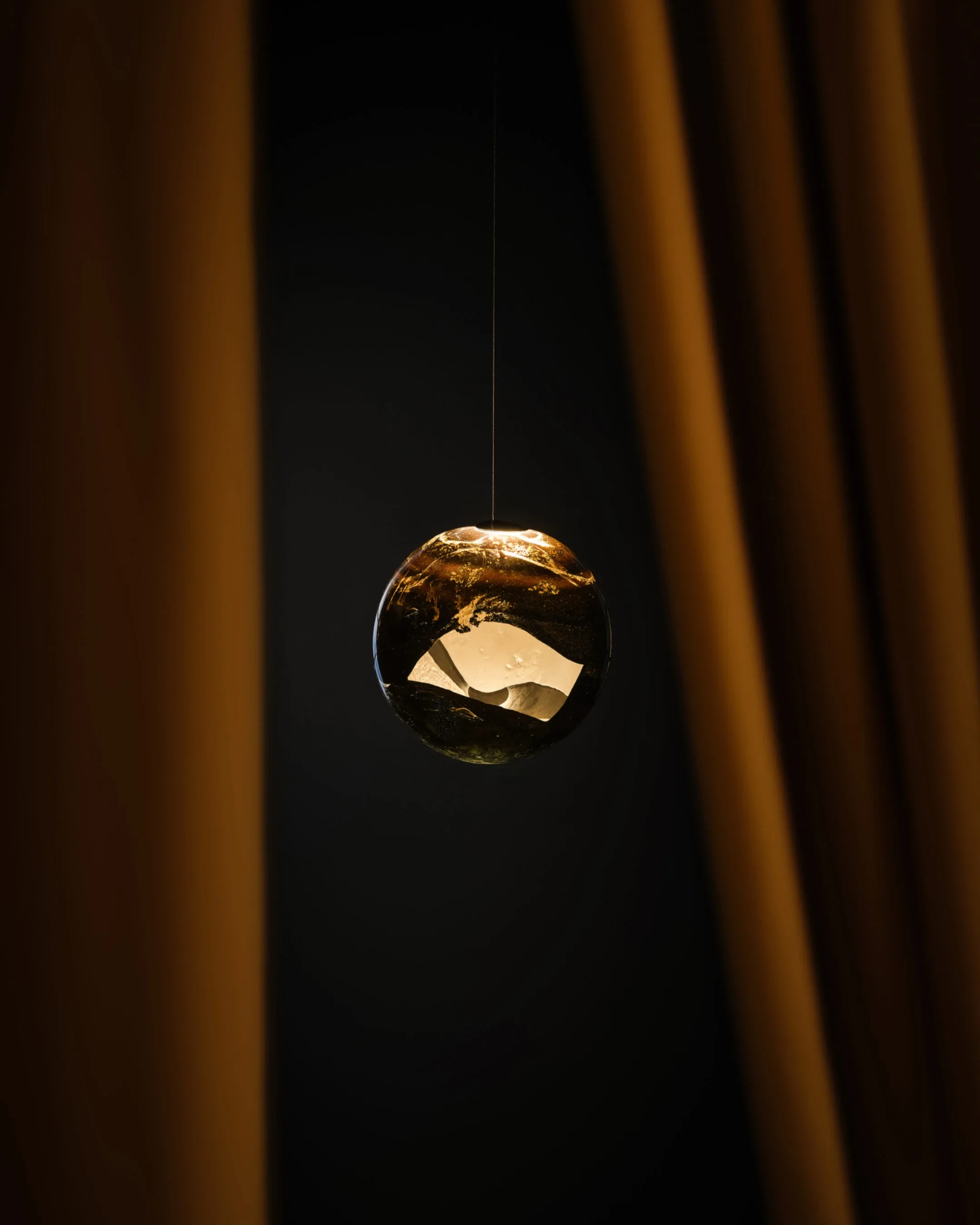
Bocci Milan Design Week 2026
Featured
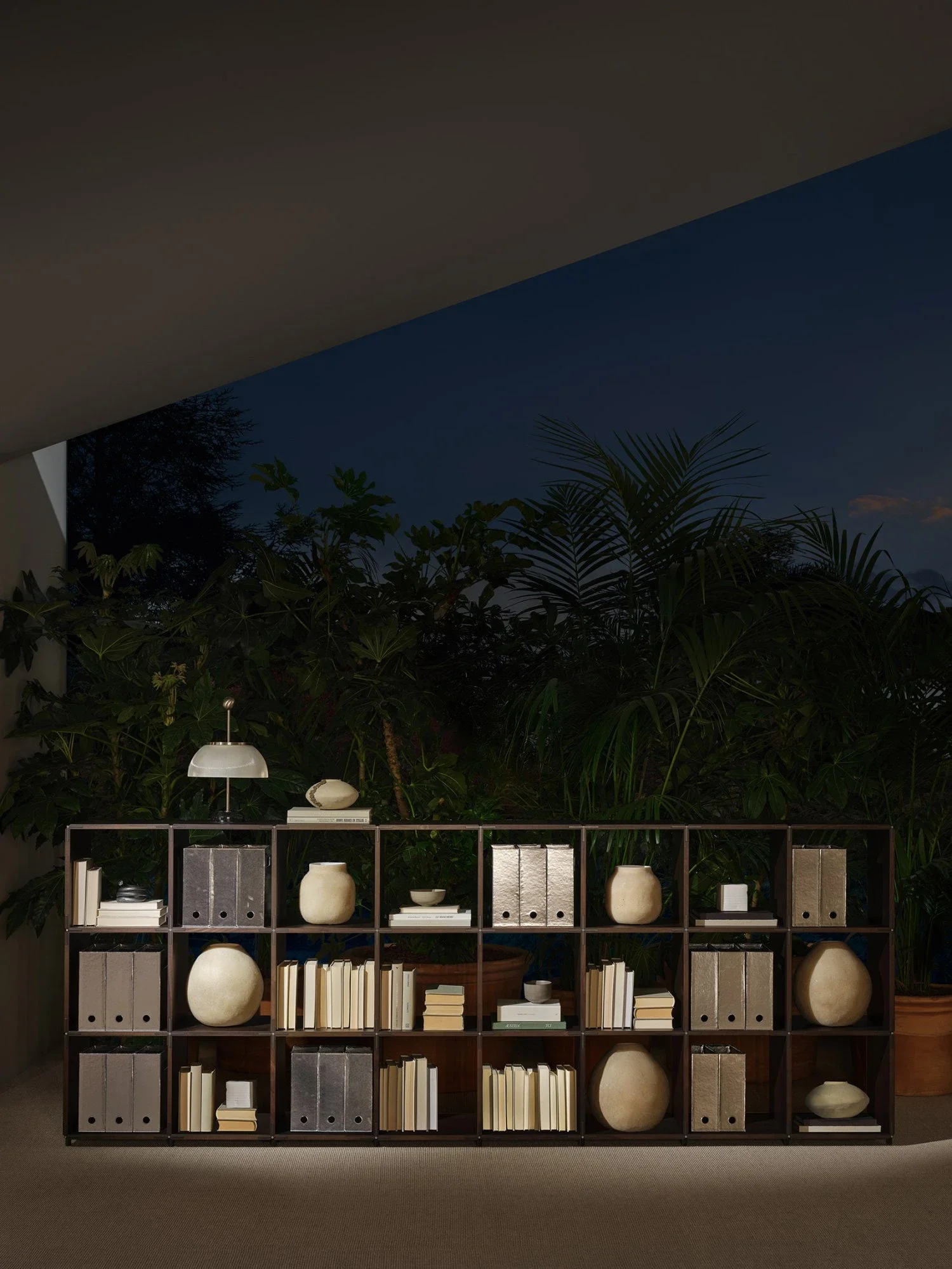
Founded in 1925 in Brianza, Porro is an Italian brand that has manufactured furniture and accessories for almost a century, pursuing Made in Italy identity and elegance. The company immediately geared its production to high-quality finishes and materials, developing furniture characterized by refined lines and superior woodworking, respecting the Italian artisanal tradition. And culture of furniture as a family heritage, together with the principles that govern production – clean lines, regular forms, functionality, and luxury Italian style – have enabled Porro gradually to secure a large share of the international market.
Porro’s production is completed with ranges of closed and walk-in wardrobes, beds, bookcases, chairs, and tables as well as furnishing accessories that not only look good with Porro’s furniture, but also enhance any kind of interior setting, from the most simple and sober to the most eclectic and decorative. The most widely used materials are wood, crystal, glass, marble, and aluminum.
Thanks to a real tailoring approach to the project translated into a precious attention paid to tastes of its customers and to the capacity to manage different levels of customization. All based on firm principles of design and function, the ranges feature different, quality finishes, combinations of materials and colors, so each product may reflect the person who chose it. Porro managed in time to define its own style.
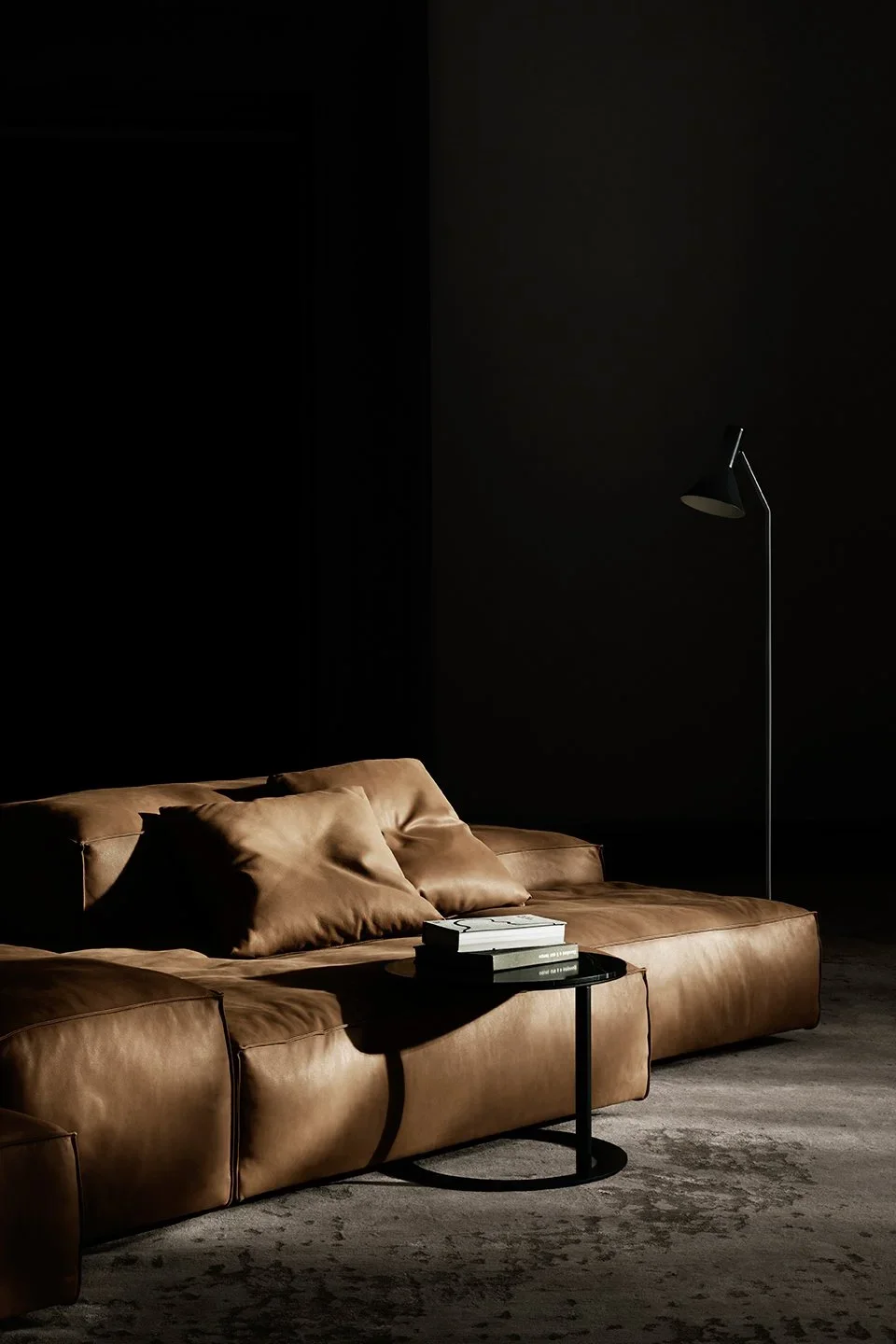
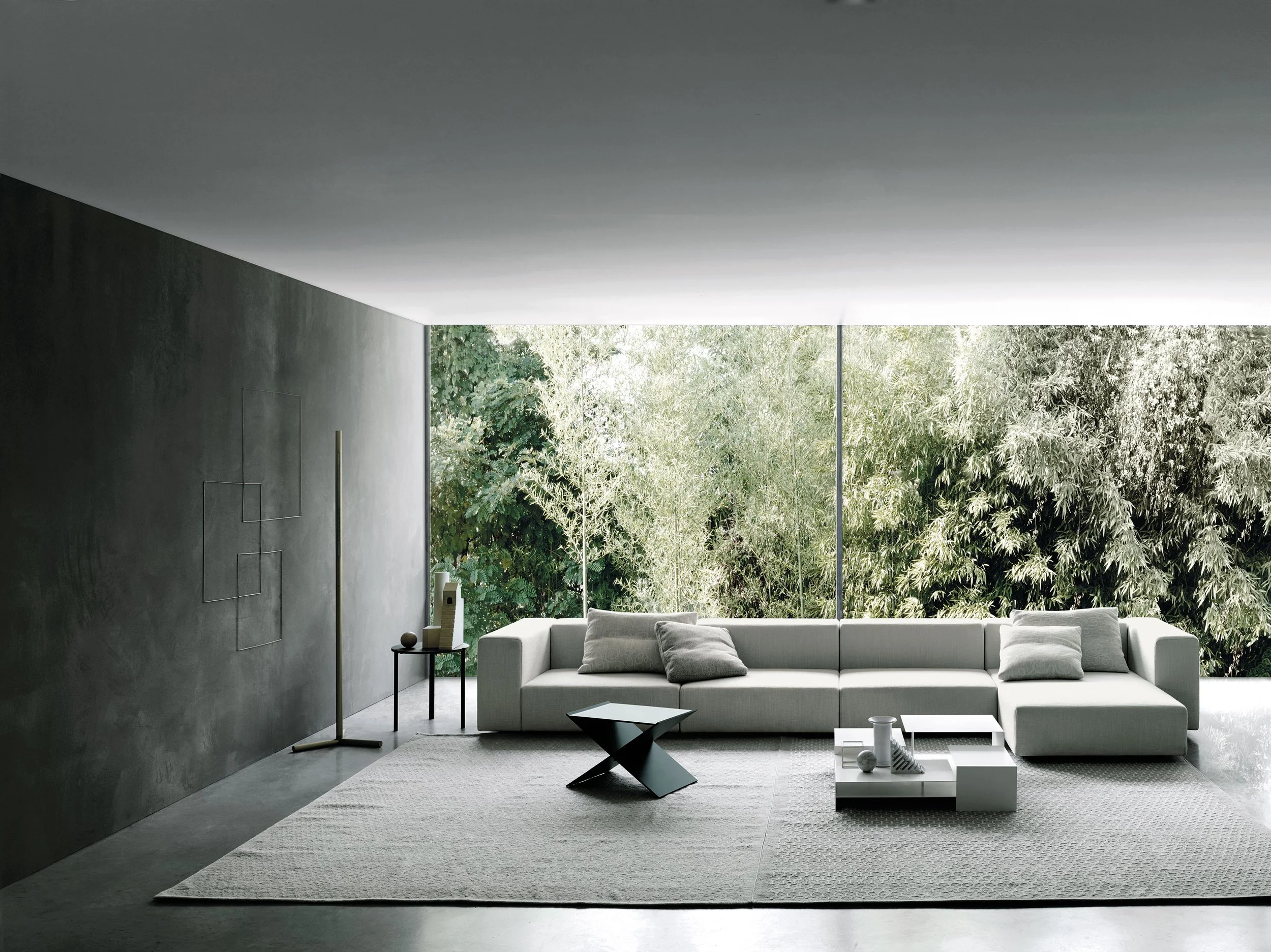
Living Divani was born towards the end of the 60s at Anzano del Parco, one of luxury Italian furniture brand. The company has followed a clear path, maintaining an intensive dialogue with the contemporary world, and becoming one of the landmarks in the design landscape. Perfect, harmonious proportions and a feeling of understated luxury: these are the distinguishing features of Living Divani, the dynamic and vibrant family-owned company, that has made its trademark of upholstery.
Living Divani’s artistic direction is securely in the hands of the star of international design that is Piero Lissoni, who moved the first steps of his prolific career at this very company. It is him who coordinates and harmonizes the style of the many top designers who compose the Living Divani catalogue, with names such as Arik Levy, Shiro Kuramata, Victor Carrasco, Piergiorgio Cazzaniga, Gabriele & Oscar Buratti and Nathan Yong.
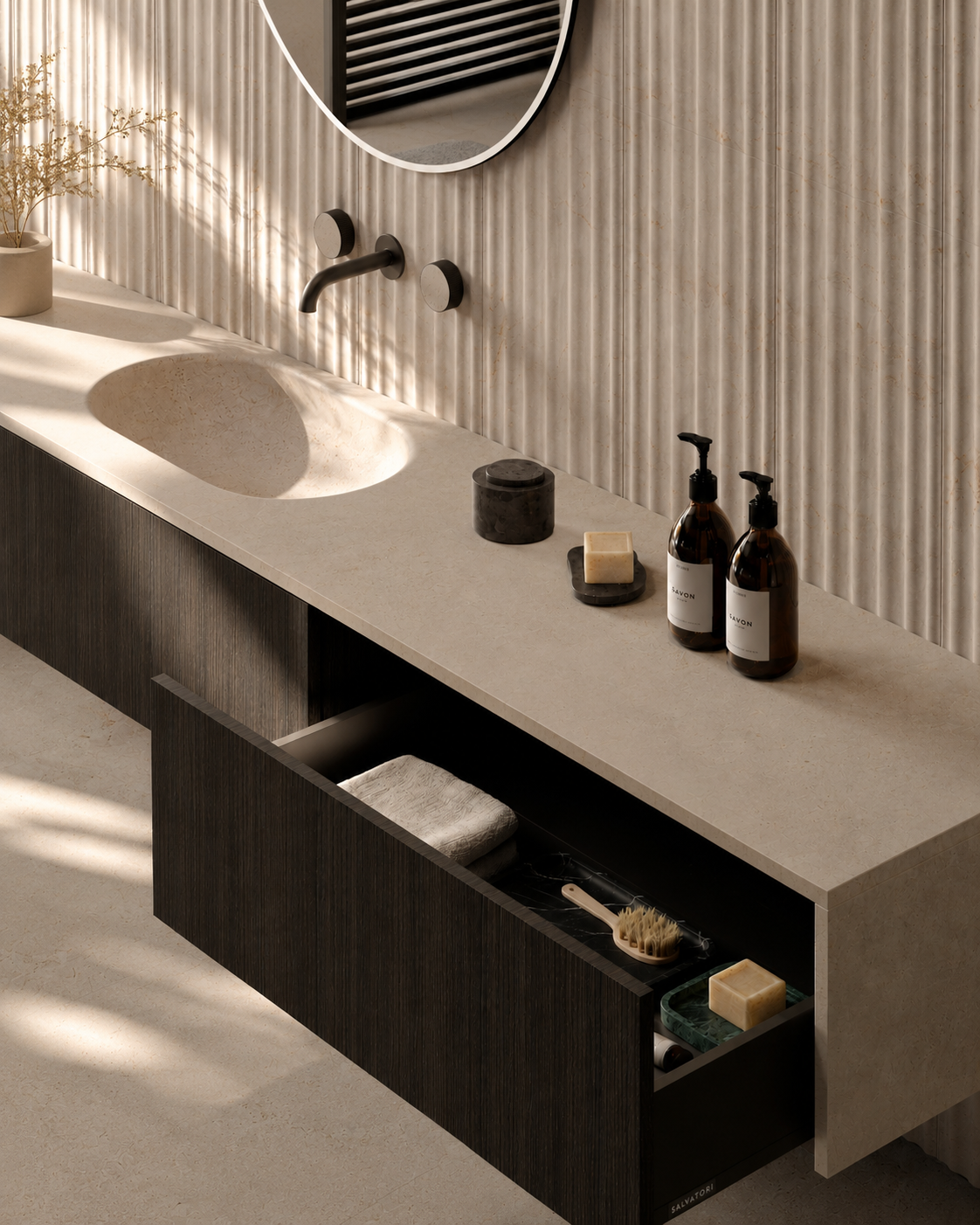
Salvatori is an award-winning Italian design company specialized in natural stone craftsmanship that was founded in 1946. Salvatori has worked closely with architects, designers, and builders to provide not only practical support, but also inspiring new ways to work with stone, which often challenge traditional thinking. This approach, combined with an innate solution-finding mentality and an eye for finesse and aesthetics, has led Salvatori renowned for its elegant and innovative products. Importantly, Salvatori has risen to the international stage, setting the standard for an evocative “design meets natural stone” aesthetic. From stunning textures for walls to interior design products, each piece is an alluring combination of old-fashioned craftsmanship and contemporary design. The company’s deep-rooted passion for natural stone distinguishes its defining characteristic: each product is distinctly unique, as no two pieces are alike.
From innovative textures for walls and floors to bathroom items and products for the home such as tables, lighting, and accessories, we are considered by many as the benchmark in the “design meets natural stone” field. Drawing on the very best of Made in Italy values and cutting-edge engineering and technological know-how, Salvatori fuses old-fashioned craftsmanship with contemporary design.
Working with clients that count among them Armani, Bergdorf Goodman, Louis Vuitton, and Boston Consulting Group, we pride ourselves on providing much more than mere product. We work alongside our partners right from the beginning of a project, with advice on the stone itself, design, installation, and care, covering both practical and aesthetic aspects.
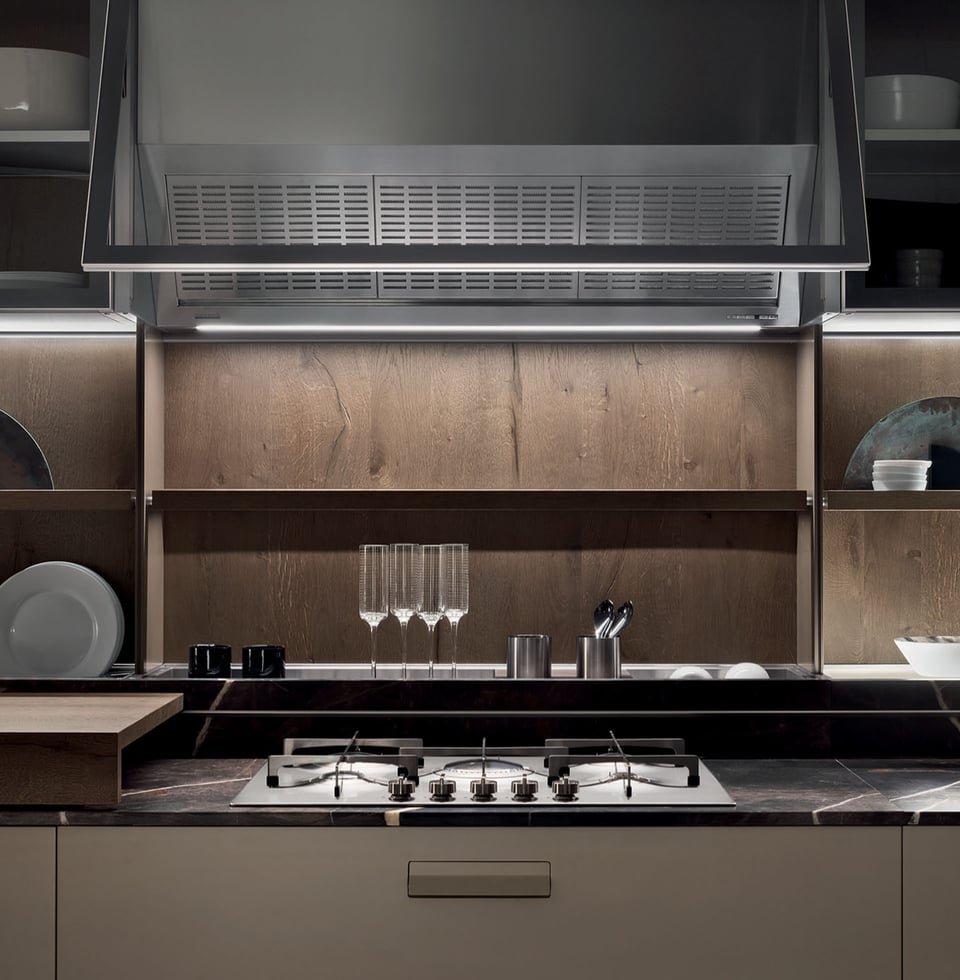
It all started with an ambitious aim. The aim of promoting Italianness worldwide, through innovative design, leading-edge technology, constant research and development and a passion for quality. Day by day, this concept acquired form in a company. A company aware of its mission: to observe, experiment and achieve something different. Something special. And so from the very beginning, innovation has played a key role, together with a vocation for “tailor-made” products, reflected in attention to details and solutions allowing a high degree of personalisation. All supported by the financial soundness, excellent business reputation and know-how of the Scavolini Group, of which it has been a member since 1996.
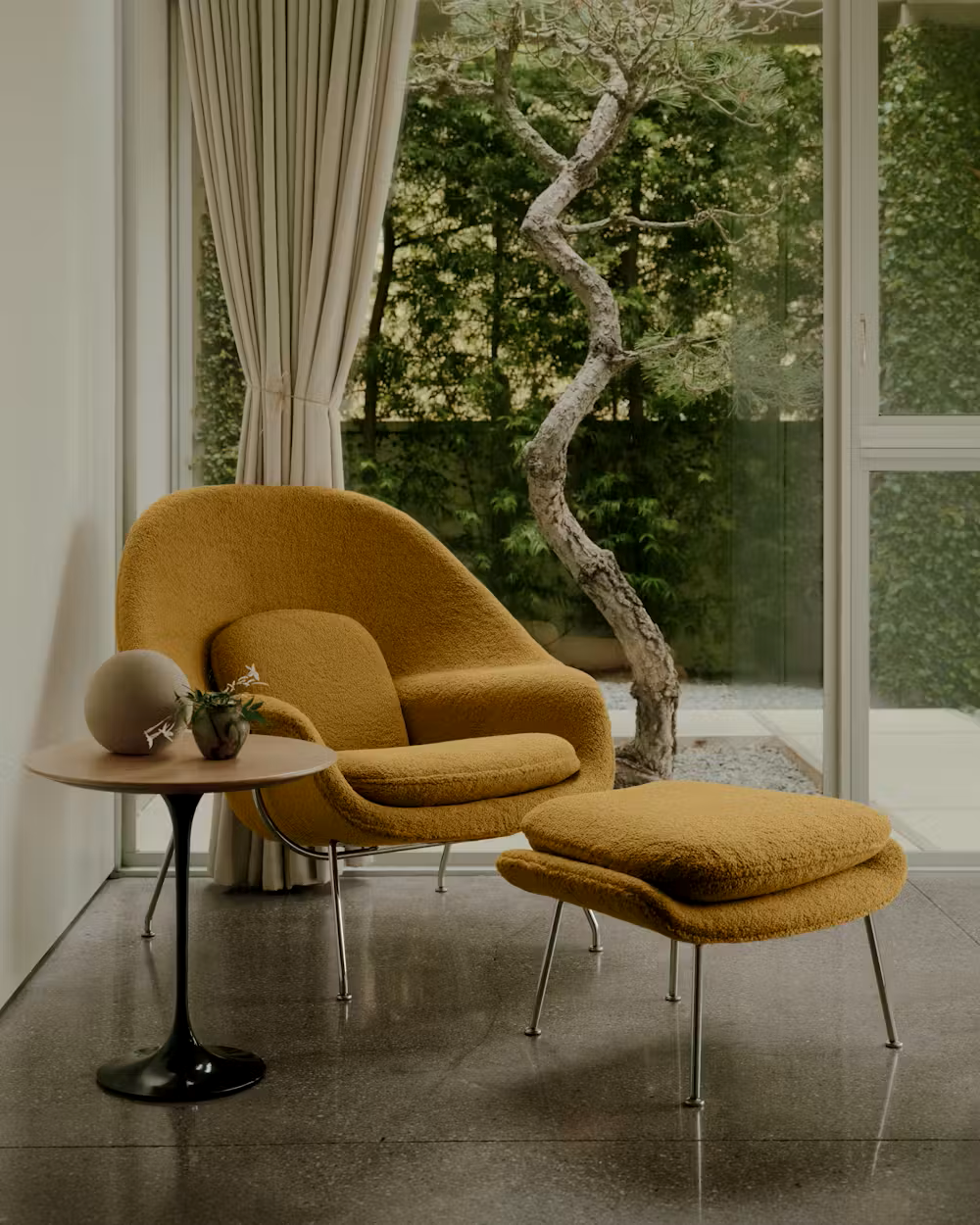
Knoll was Founded in New York in 1938, The firm’s founder Hans Knoll had moved to the United States with the aim of transferring the ideas and forms of European design overseas.
Knoll's reputation for design integrity has a long and decorated history under the guiding principle: "good design is good business." Therefore, Knoll is recognized worldwide as a leader in the furniture design of workplace and residential furnishings that luxury, inspire, evolve, and endure. We use modern design to connect people to their work, their lives, and their world.
Today, our commitment to luxury and modern design, our understanding of the nature of work, and our dedication to sustainable design have yielded a unique portfolio thoughtful furniture that respond and adapt to changing workplace and residential needs. The furniture for the office or home that would stand out because of its unique personality, design and be capable of interpreting or even forecasting the evolution of lifestyles.
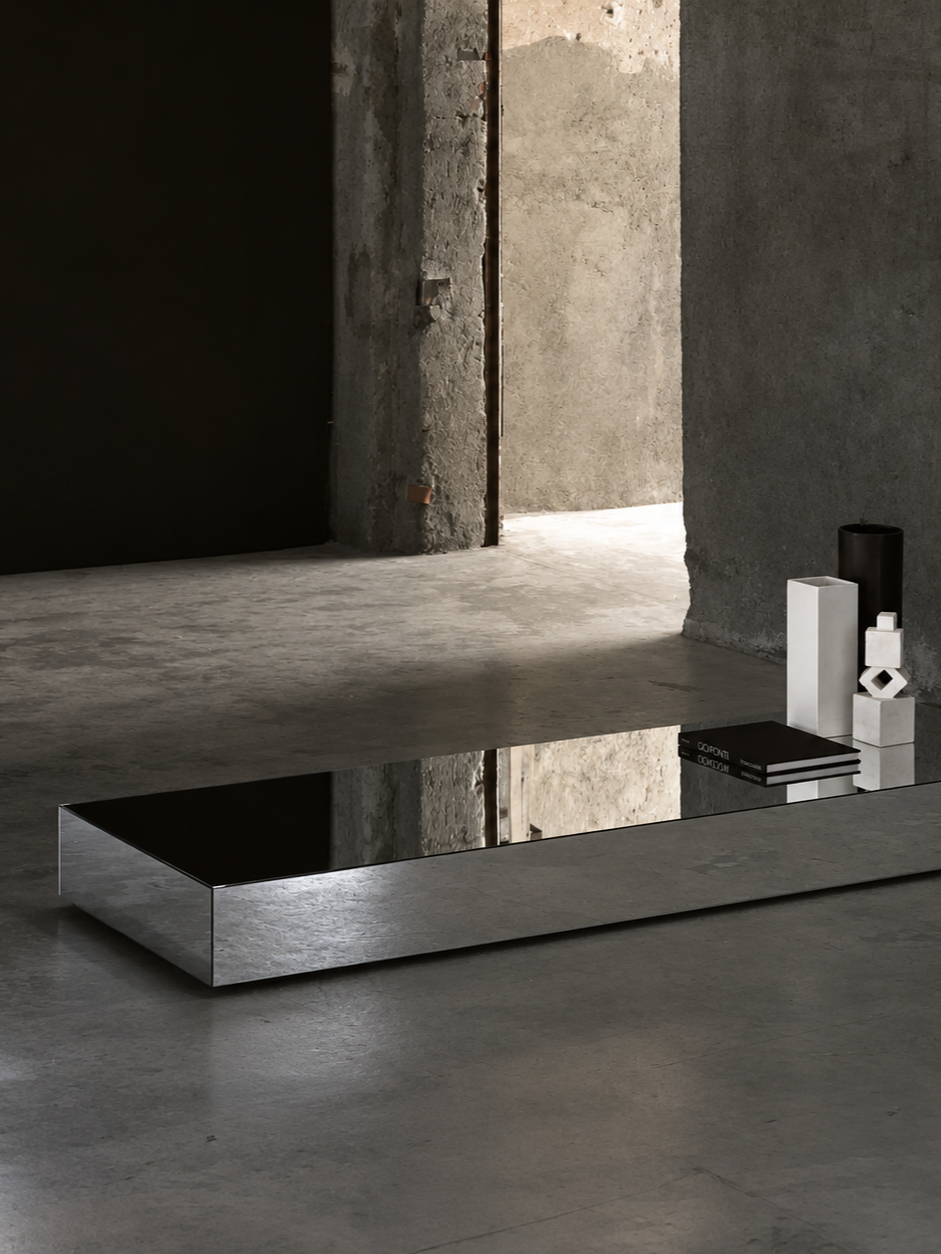
Founded by the Arosio family in Brianza Italy, Glas Italia is based on glass craftsmanship and collaboration with designers including Ettore Sottsass and Piero Lissoni. Described by Sottsass as one of the most openminded industrialists he had ever worked with, Glas Italia specialises in producing large glass and crystal plates and invented a system to produce coloured mirror plates. Working with Ettore Sottsass the group produced some of the most dynamic pieces using this new technology. Today the collection continues to be guided by colour.
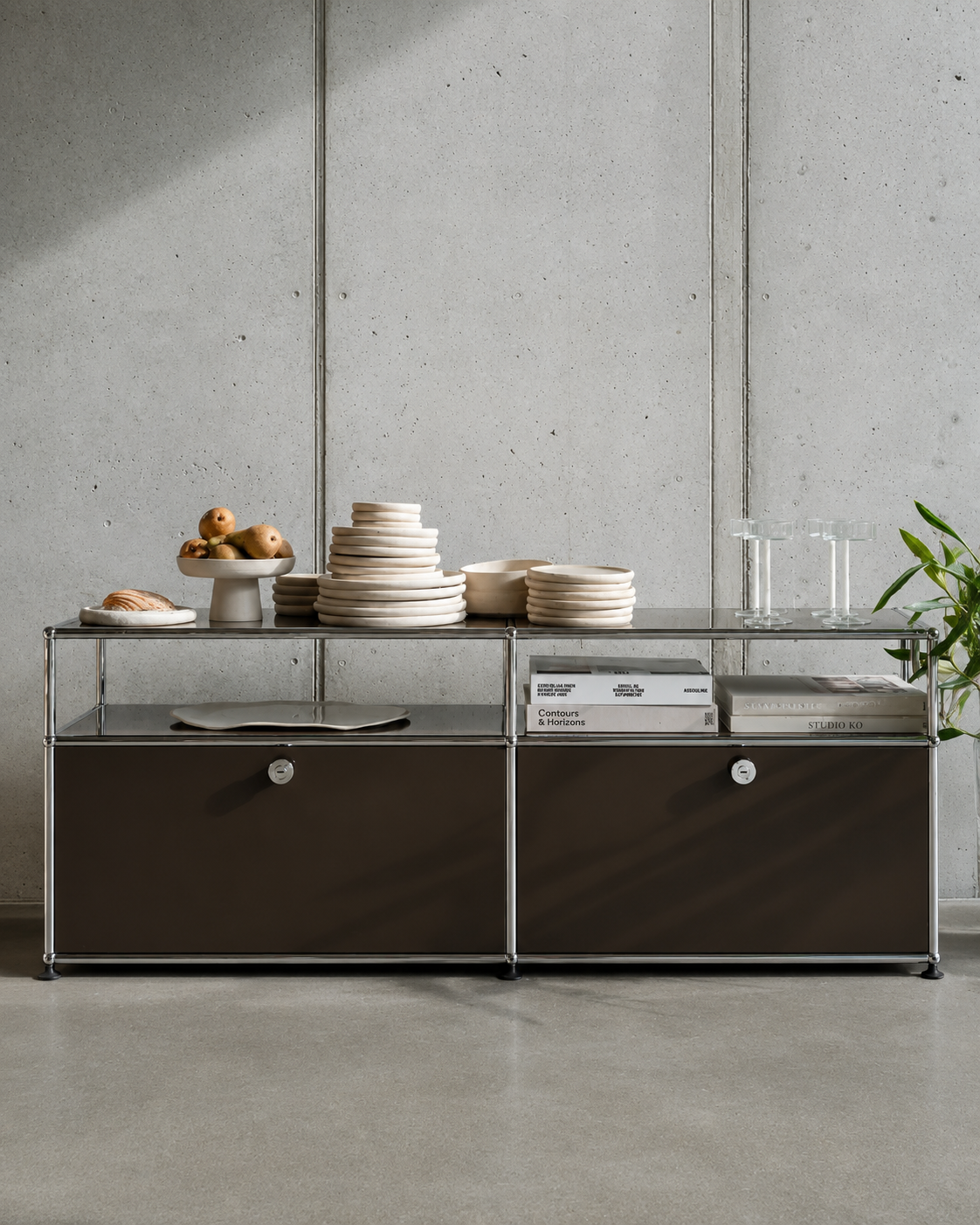
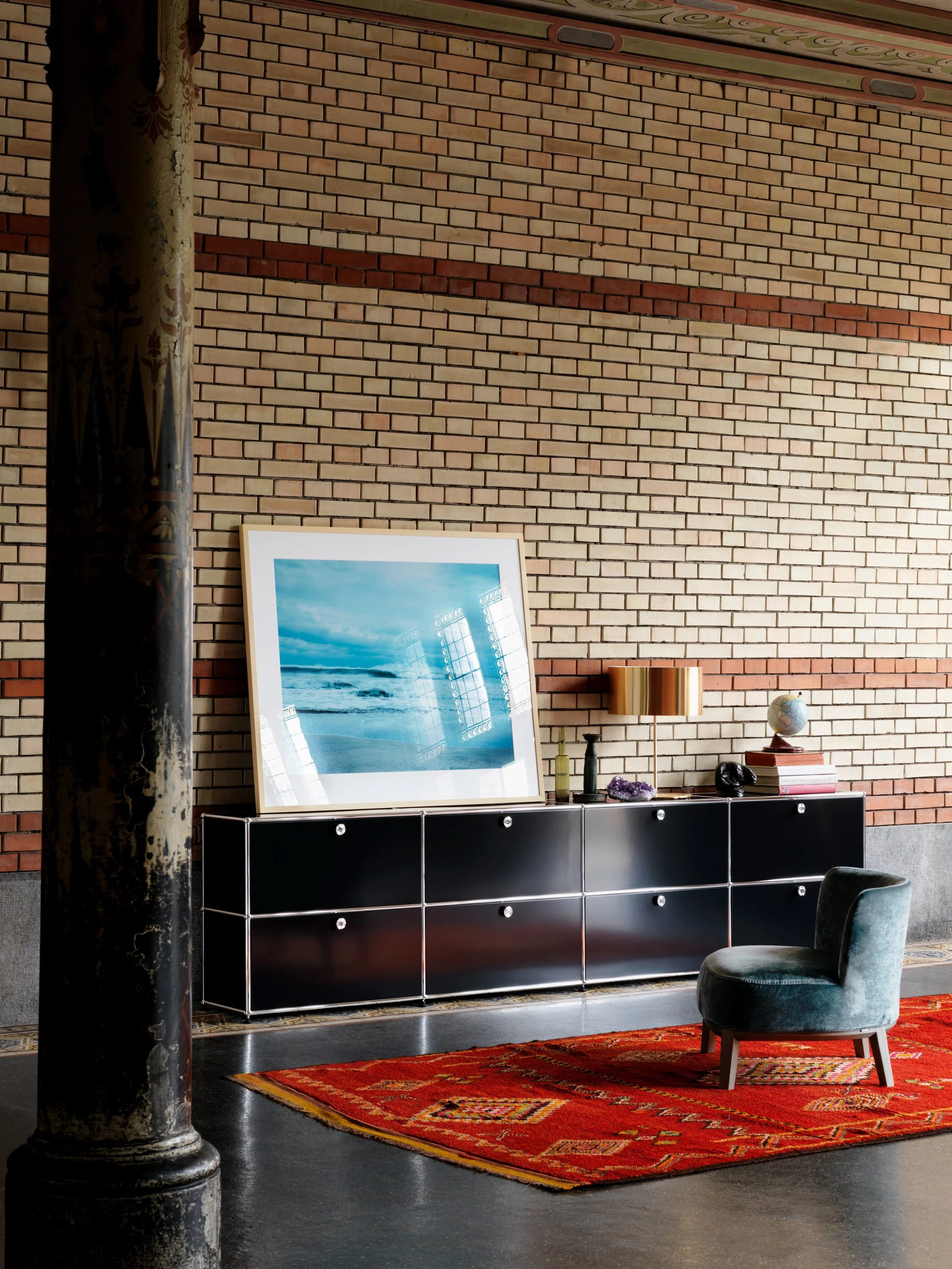
USM was founded in 1885 as a metalworking and locksmith’s business by Ulrich Schaerer. USM furniture systems are manufactured for contemporary living and working environments. USM modular furniture is designed to accompany us through different phases of life. It adjusts to new demands, ready to take up different functions in our home and workplace – a constant in our ever-shifting lives. Furniture for a lifetime made with great care in Switzerland.
We use only the finest materials and we employ the best-trained and most skilled craftsman, whose work is aided by cutting-edge robotic machinery. We constantly refine our processes to ensure an ever-increasing sophistication in our products.
The traditional individual workstation has become one of many. The contemporary office world is open: modifiable arrangements are more and more essential for meeting today’s requirements of constant communication, well-being and flexibility in thinking, acting and collaborating. These times perfectly suit USM. Modularity, versatility, and quality have always been associated with USM: our wide range of modular elements, of adaptable office furniture, helps you design a workspace that conforms exactly to your coworker’s individual needs and the overall demands of your company – creating a setting where you, your employees and teams feel comfortable and empowered to tap their full creative potential.
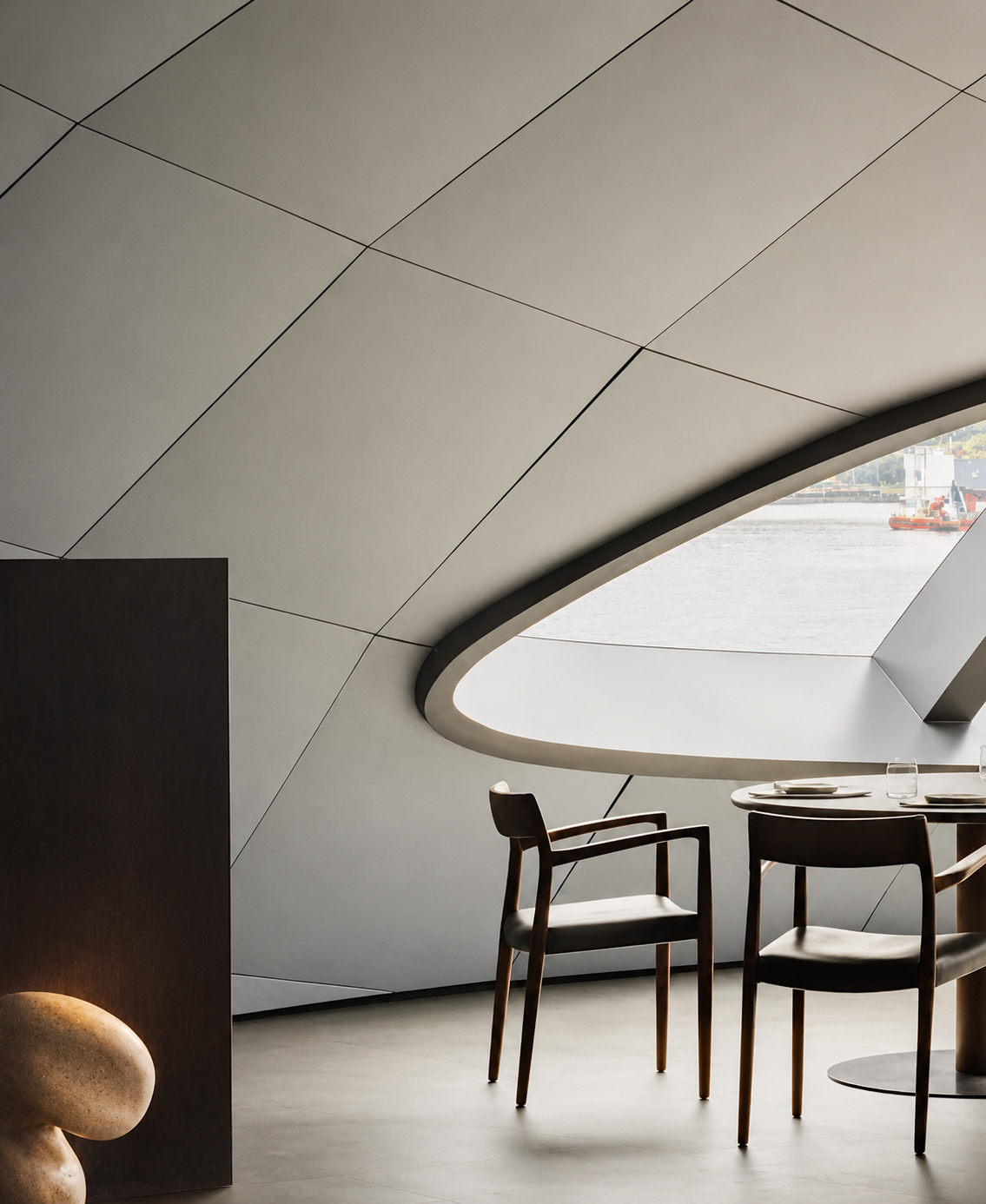
Kvadrat was established in Denmark in 1968 and has deep roots in Scandinavia’s world-famous design tradition. A leader in design innovation, Kvadrat produces quality contemporary textiles and textile related products for architects, designers, and private consumers across the world. Kvadrat is a dynamic, forward-looking design company and we consistently push the aesthetic, artistic, technological boundaries, and functional properties of textile design. Our versatile collection reflects our commitment to colour, simplicity and innovation. We collaborate with leading designers and artists, as well as emerging talent to create our collections and to continue exploring the boundaries of textile design.
Kvadrat textiles play an important part in commercial, public, and domestic interiors around the world. Our extensive collection meets the needs of designers and architects in the spaces they create and have been used in such iconic architectural developments as the Museum of Modern Art NYC, The Guggenheim Museum Bilbao, and the Guangzhou Opera House in China. We highly treasure the colours of the textiles.
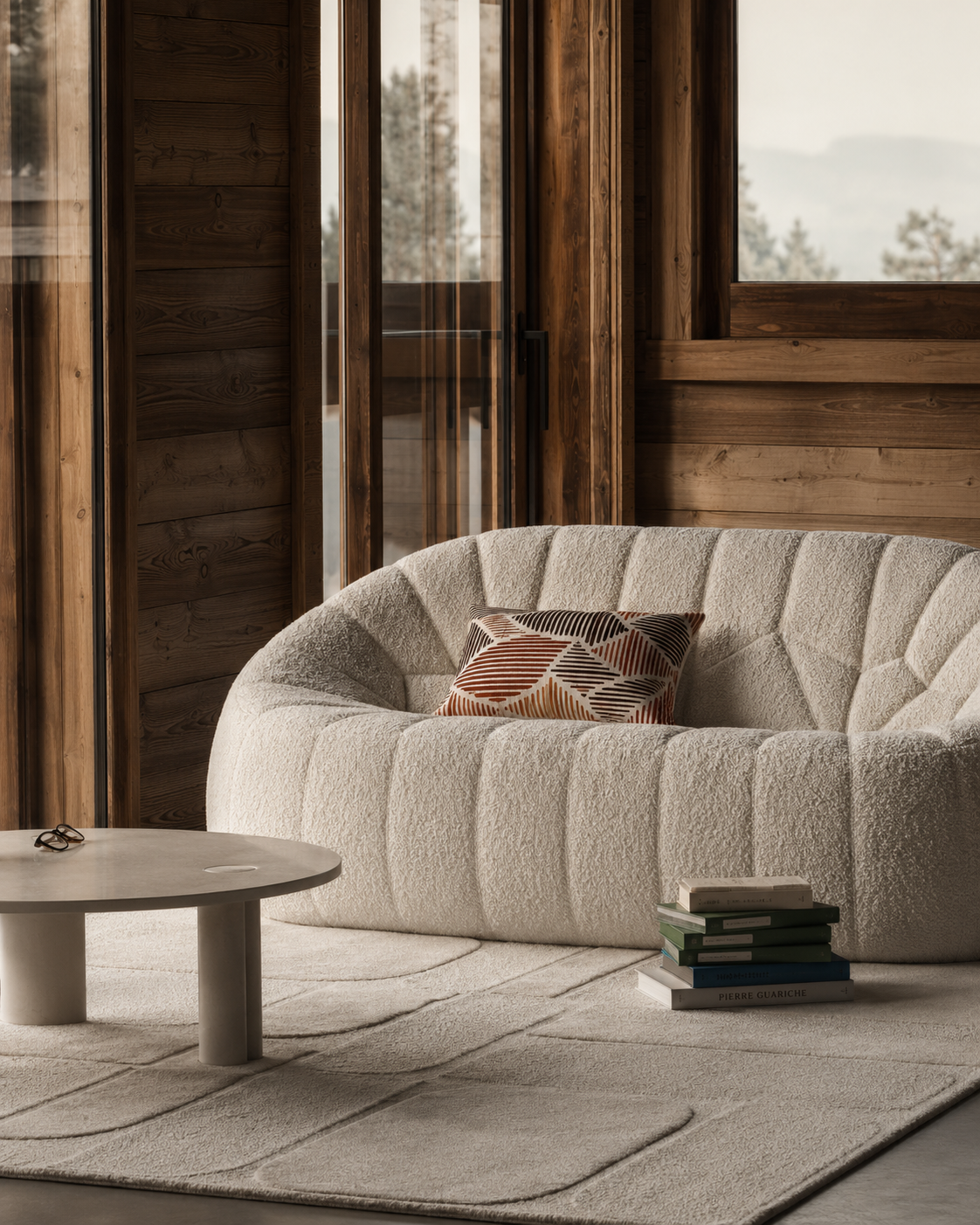
Ligne Roset is French furniture design brand that has its roots in a wood-processing factory established by Antoine Roset in the Ain province of France in 1860. The synonymous of Ligne Roset is modern luxury pieces for a contemporary design-forward lifestyle.
Well-known and revered for its inspired collaborations with the foremost talents in contemporary design, Ligne Roset presents the consumer with a lifestyle choice, complementing its furniture collections with decorative accessories, lighting, rugs, textiles, and occasional items.
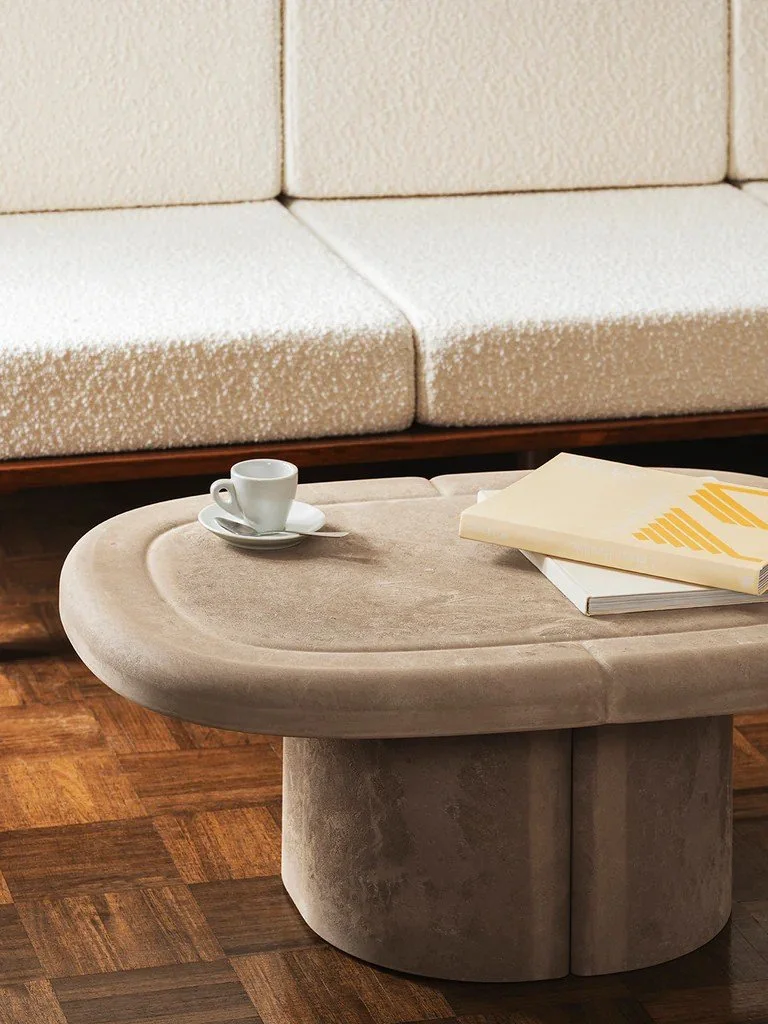
Founded in Copenhagen in 2006, Mater was created to be the pioneering global brand with sustainability embedded in its core.
From the very beginning the ambition was to inspire a global design audience and engage people into sustainable thinking. Mater combines sustainability and circular production using waste, with timeless design, through collaboration with an external base of well-established and new design talents.
Designed for both commercial and residential use, Mater strive to avoid and minimise any adverse impact on society, by following ethical and sustainable production criteria and creating products that will both stand the test of time and inspire the consumer to cherish and savour them.
After years of research for more sustainable ways to create furniture, lighting and objects we now work with a range of production partners with the same ambition as us, creating partnerships for change and supporting the United Nations Sustainable Development Goals. Together we are committed to searching for new and better ways of making beautiful design - in a responsible way.
www.materdesign.com

Founded in 2005 under the creative directorship of Omer Arbel, Bocci is committed to fostering a lateral and open-ended relationship between creative direction, material exploration and craft.
The company launched with one lighting design, ’14’, which became an instant classic and remains a design staple and bestseller. Bocci’s growing portfolio of sculptural lighting is developed, engineered and fabricated in-house through an infrastructure calibrated to provide full control over technique, quality and scale.
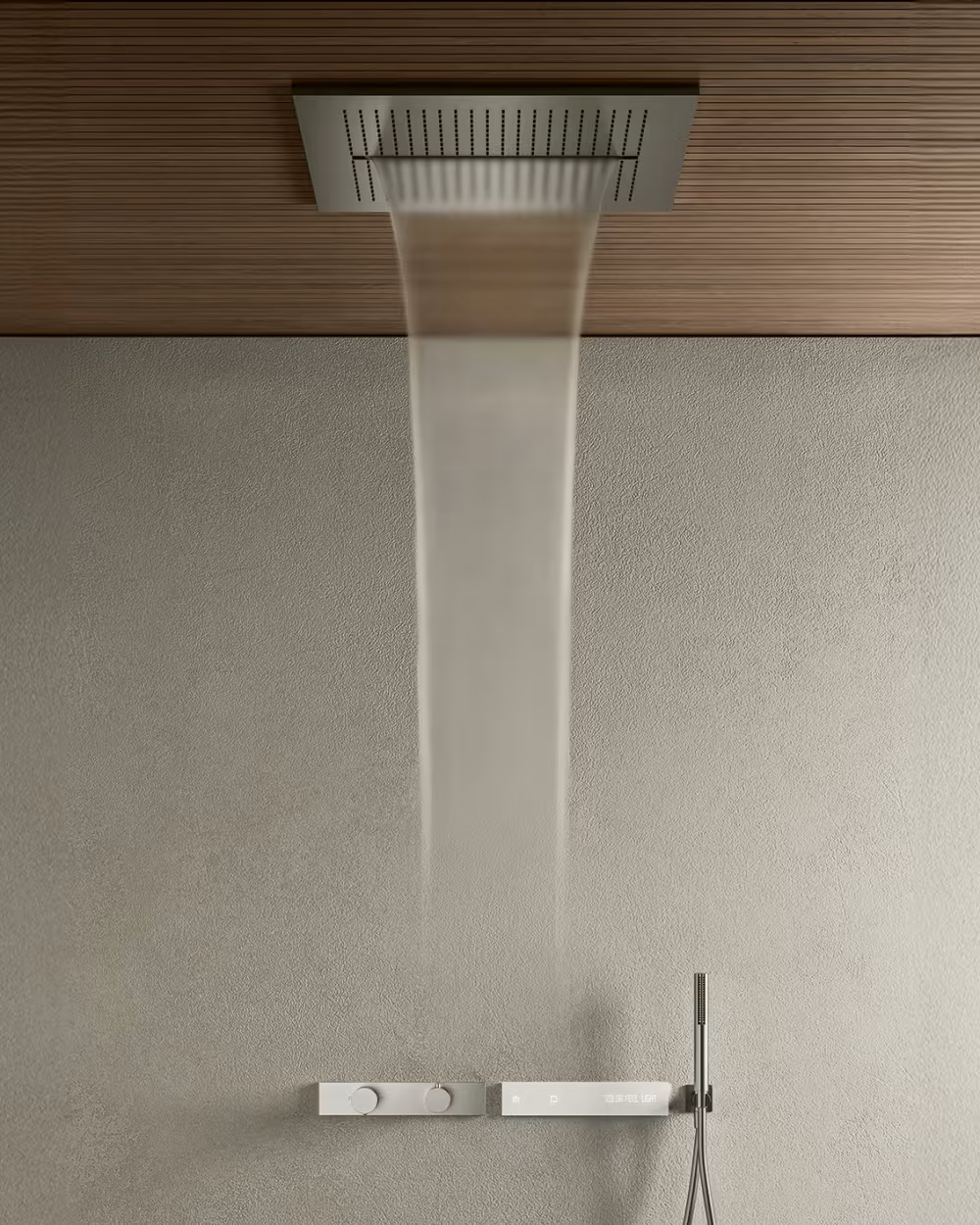
For over seventy years Fantini has been designing and manufacturing innovative products that have led the company to be the international point of reference for the evolution of design in its sector.
Founded in 1947 by brothers Giovanni and Ersilio, Fantini is still a family business today. It is located in Pella, on the shores of Lake Orta, a small and romantic lake nestling in the mountains of Piedmont, in the north-west of Italy, where metalworking has a long tradition and where over time districts manufacturing taps and household goods have been established. Water is the common thread that permeates everything the company does, and the lake is a constant presence, so much so that it represents Fantini’s true ‘Genius Loci’.
“Our history and our daily life are made of water and the lake. My family and our company have always been closely linked to the life of Lake Orta. water is our common thread, a constant and indispensable visual presence, which influences our thoughts and our projects. The peaceful and serene atmosphere of our lake and the mystical aura that surrounds it, with the discreet presence of the convent of cloistered nuns on the island of San Giulio, make this place special for us.”
— Daniela Fantini
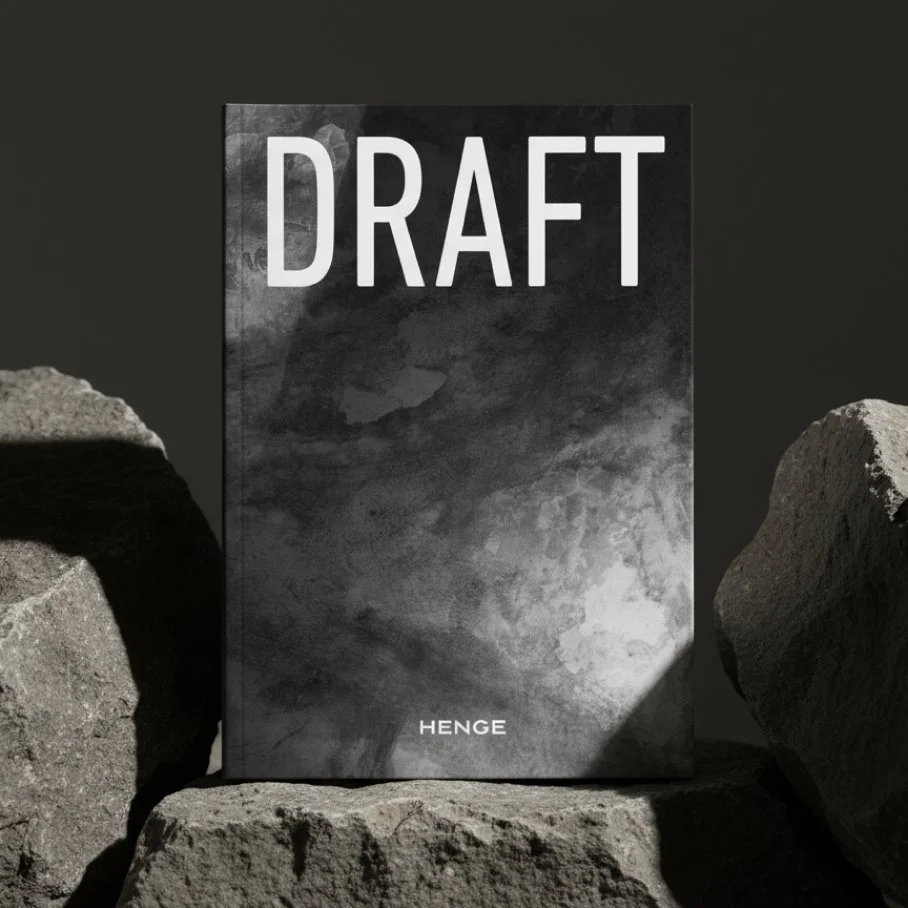
New Catalogue 2026

A selection of interiors across places, contexts and scales.
The Project Book follows the Henge language as it takes shape in lived spaces,
each defined by its own relationship between architecture, materiality and atmosphere.